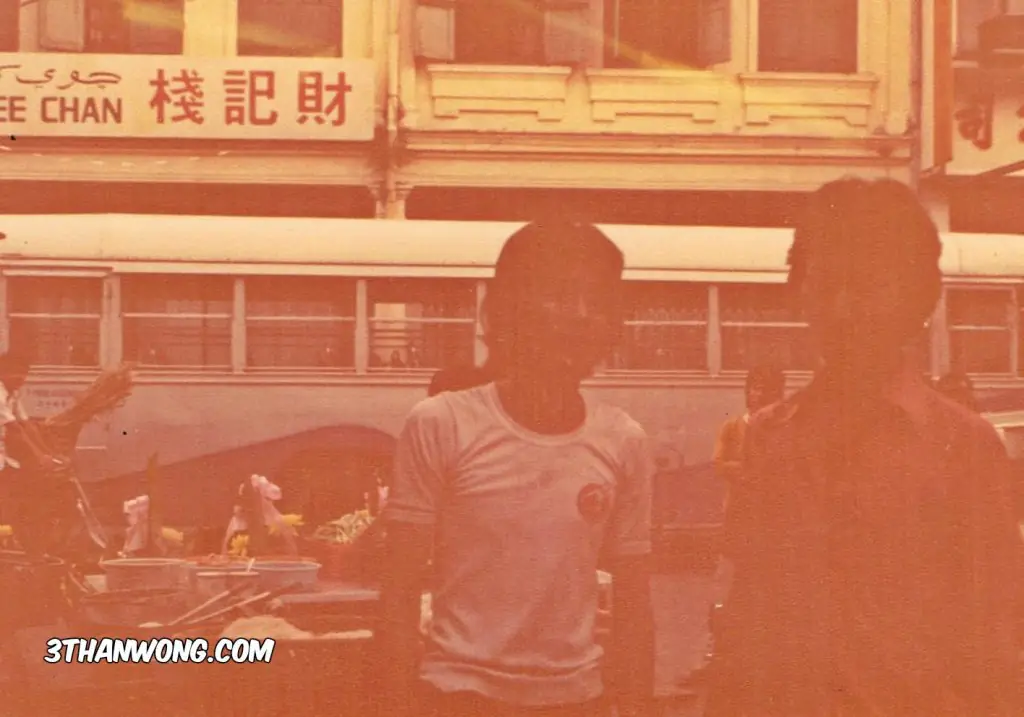
A stall, a stove and a lot of rain.
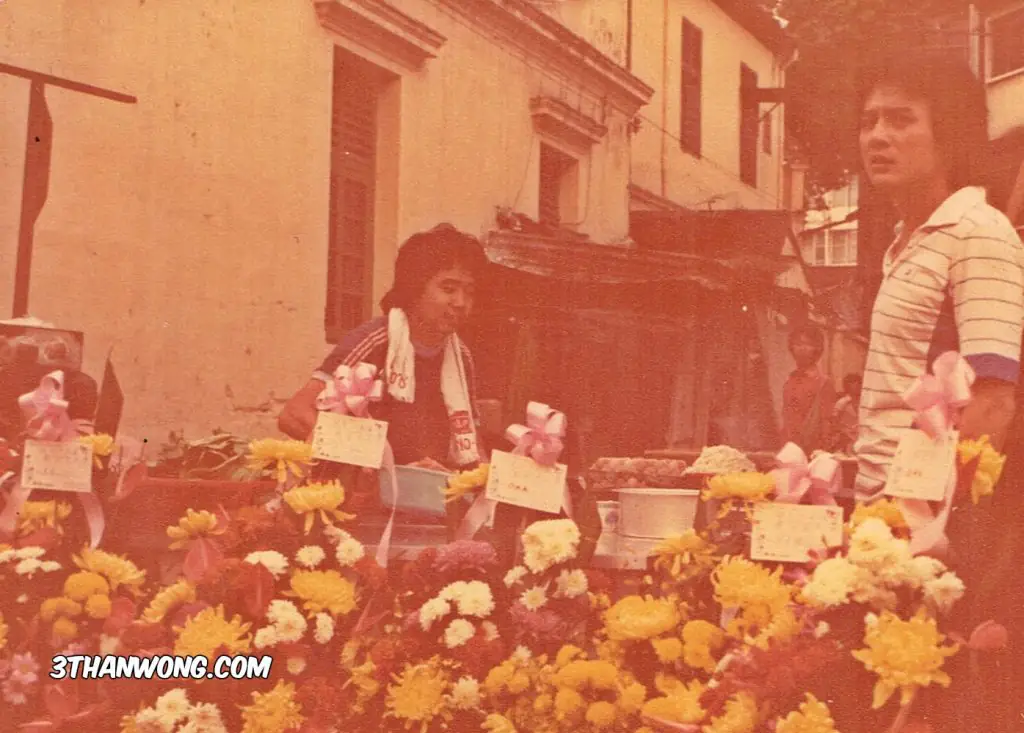
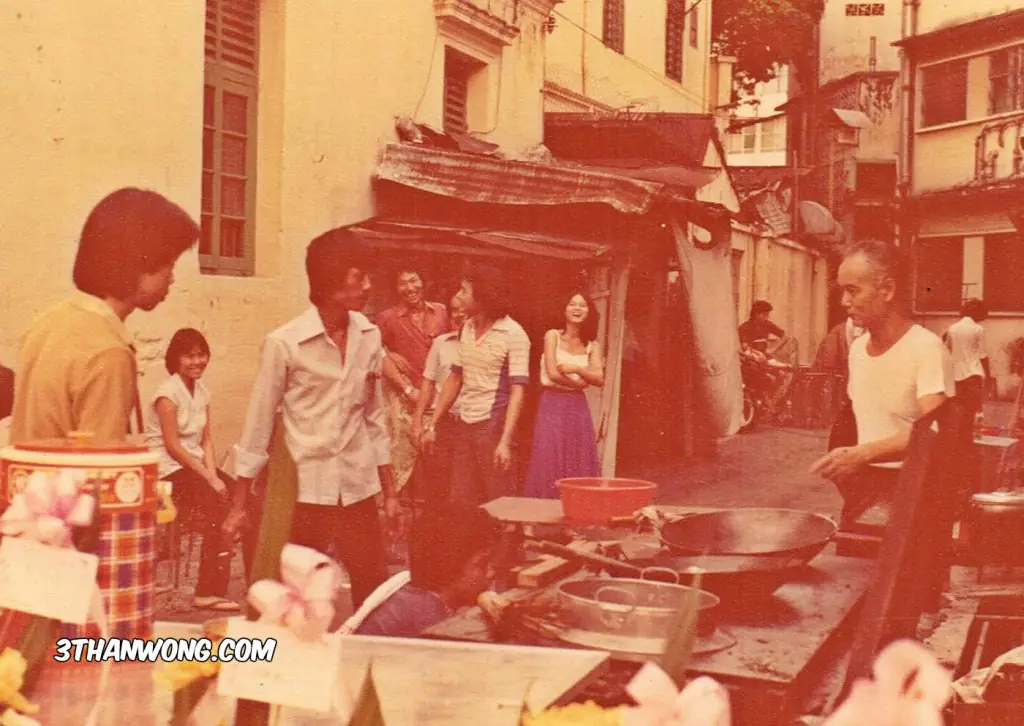
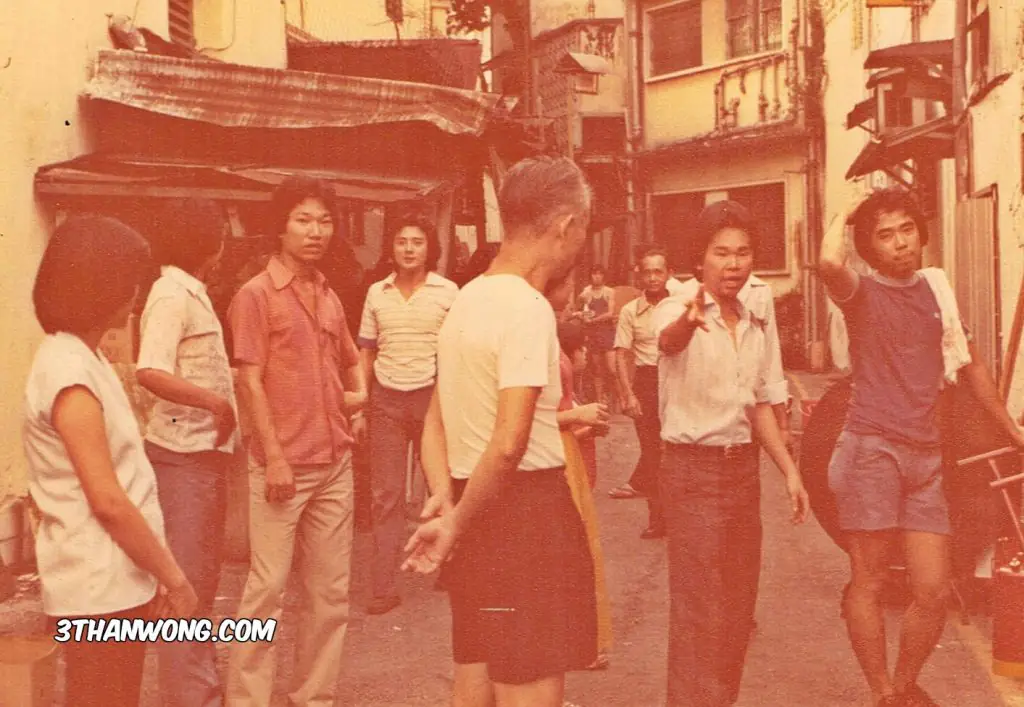
On his first evening, around 5 pm, family and friends came to show their support and sent flower bouquets to his stall on narrow Lorong Yap Ah Loy.
Starting a food business was never easy. Every day he pushed his stove from the inner part of the lane out to the street. My mother, his wife, worked beside him from the very first day. On rainy days, he told me, he started work soaked from head to toe, and dried off in the heat of the stove as he cooked through the evening.
Despite all of it, he kept his spirit for 32 years in the kitchen. What drove him? On his very first day, someone stood at his humble little stall and told him:
You don't even know how to hold the spatula and ladle properly. You'll close in no time.A passer-by · opening day, 1982
"Because of what I heard that day, I told myself: I will make it happen, and I will show them I can."
And so his culinary journey began, with a very simple menu: noodles only.
This was where he refined his skills. Customers gave him ideas on flavour, texture, taste and presentation, and he listened. Their advice made him a better cook, step by step.
A shop of their own.
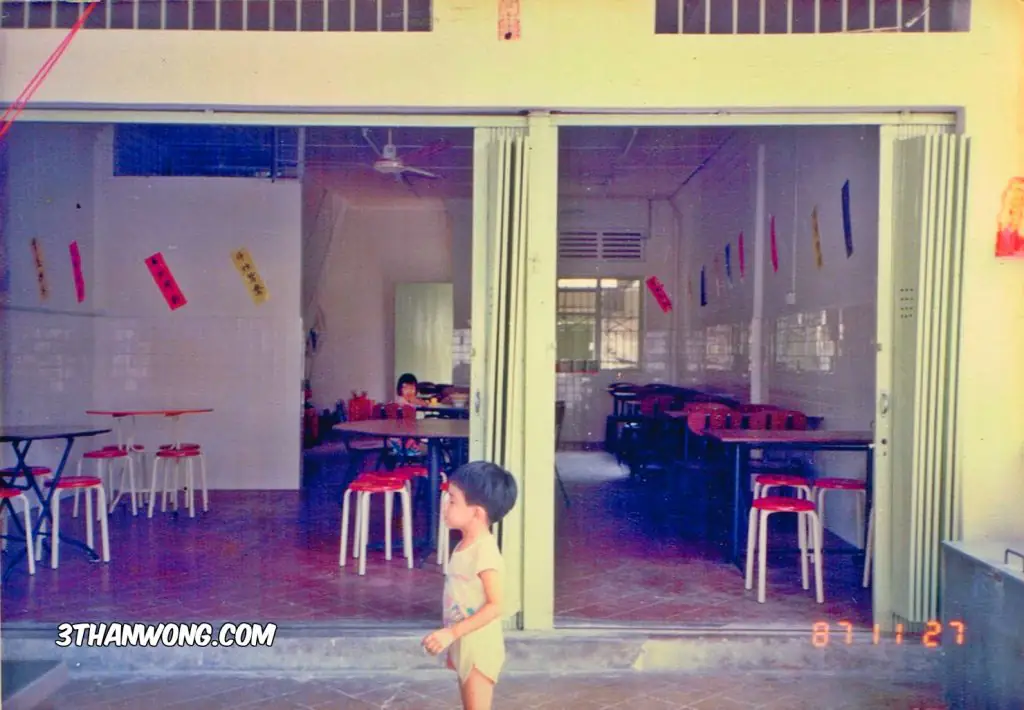
For five years, through rain and shine, he and my mother ran the little stall, until they had saved enough to move into a shop lot on Changkat Bukit Bintang in November 1987. He handed the stall to his younger brother, who went on to start his own journey with Kow Siew Restaurant.
When they moved, my mother didn't even know she was pregnant with me.
At the end of 1988 he introduced a new menu: rice and a variety of meats in different cooking styles, while keeping his best-selling Cantonese noodles. Business boomed. It took a team of nine to run the shop.
But the shop was packed every single day, and staff started to leave. Other restaurants had quiet days and quiet months, they complained, but not this one. By the end of 1989, the team of nine was down to two: him and my mother. So they went back to what they knew best, Cantonese noodles.
Three stoves under a big tree.
The new landlord wanted to turn the shop into a travel agency, so they moved again: a few blocks away, to a corner lot on the opposite row, under a huge mango tree by the roadside. This is the Keong Kee I remember best, and the one regulars still call 大树头.
Every day started at 8 am with the preparation. Then the three stoves came alive.
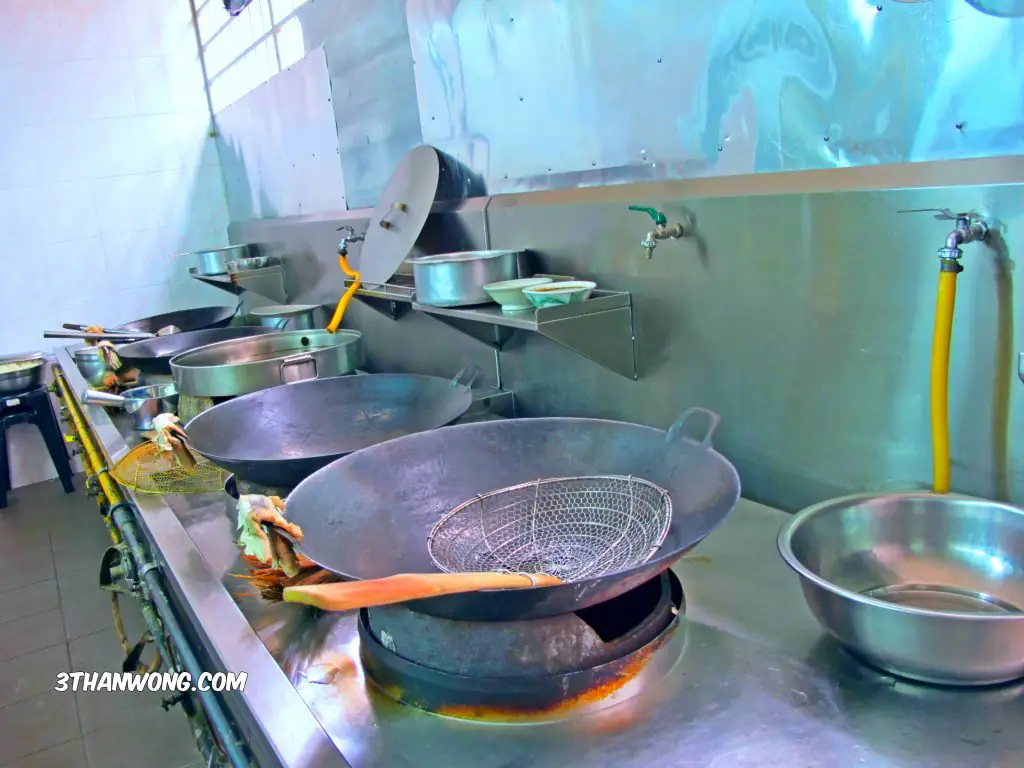
Those were the days of the antique kitchen.
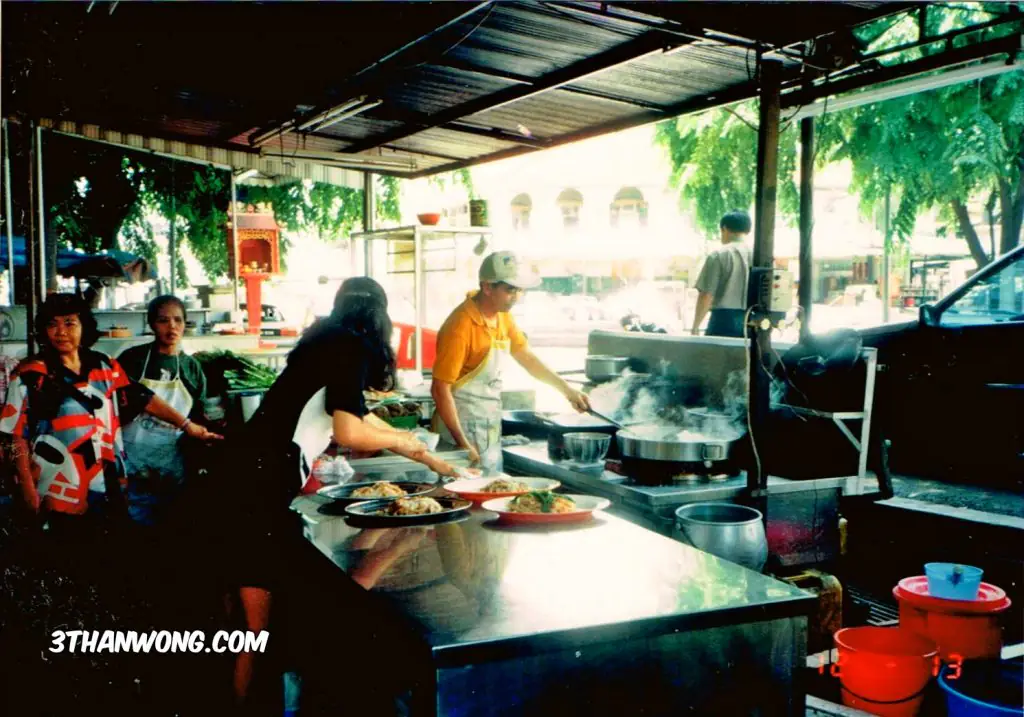
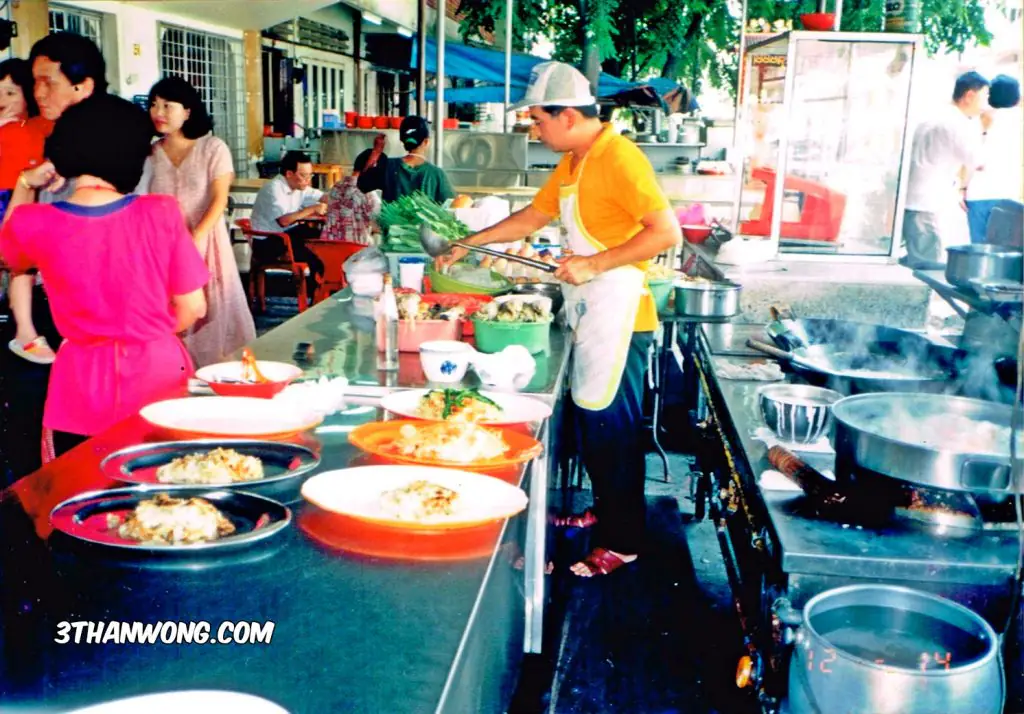
I still remember playing hide-and-seek here with my brother and sister, hiding in the storeroom. Sometimes we were so naughty that we got punished. And when we were tired of playing, we crawled into the compartment under the stainless-steel worktable and fell asleep, right in front of the customers.
300 plates in three hours.
In 1998 we moved to Taman Tun Dr Ismail (TTDI), on Jalan Tun Mohd Fuad. The back of the shop faced Pasar Besar TTDI.
Business there was exceptional. We opened at 11.30 am, but the crowd started forming at 11, and it stayed packed until we closed at 2.30 pm.
In those three hours, Chef Keong alone cooked 250 to 300 plates of Cantonese noodles.
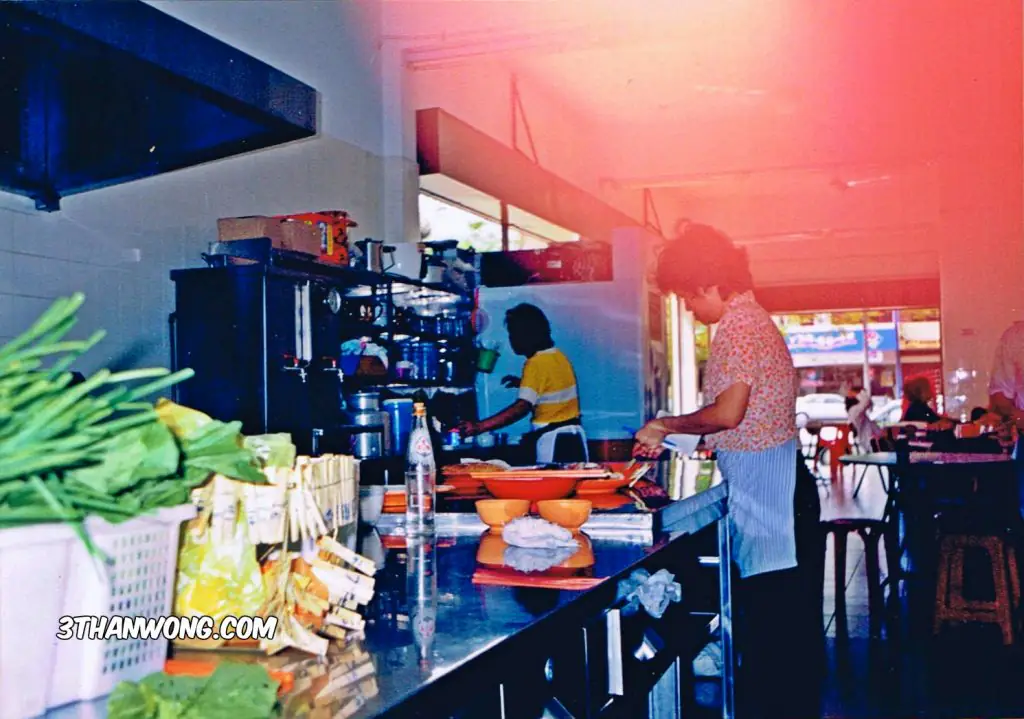
In 2000, my brother finished high school and joined my father in the kitchen. He had found his own love for cooking.
The regulars find us again.
In 2001, after a rent increase, Chef Keong moved back to the city: an end lot beside an alley on Jalan Barat, off Jalan Imbi. Old-fashioned as they were, my parents didn't announce the move. Business fell from the top to the bottom.
It took a while for the news to spread. Then the regulars came flocking back, "complaining" how much they had missed his food.
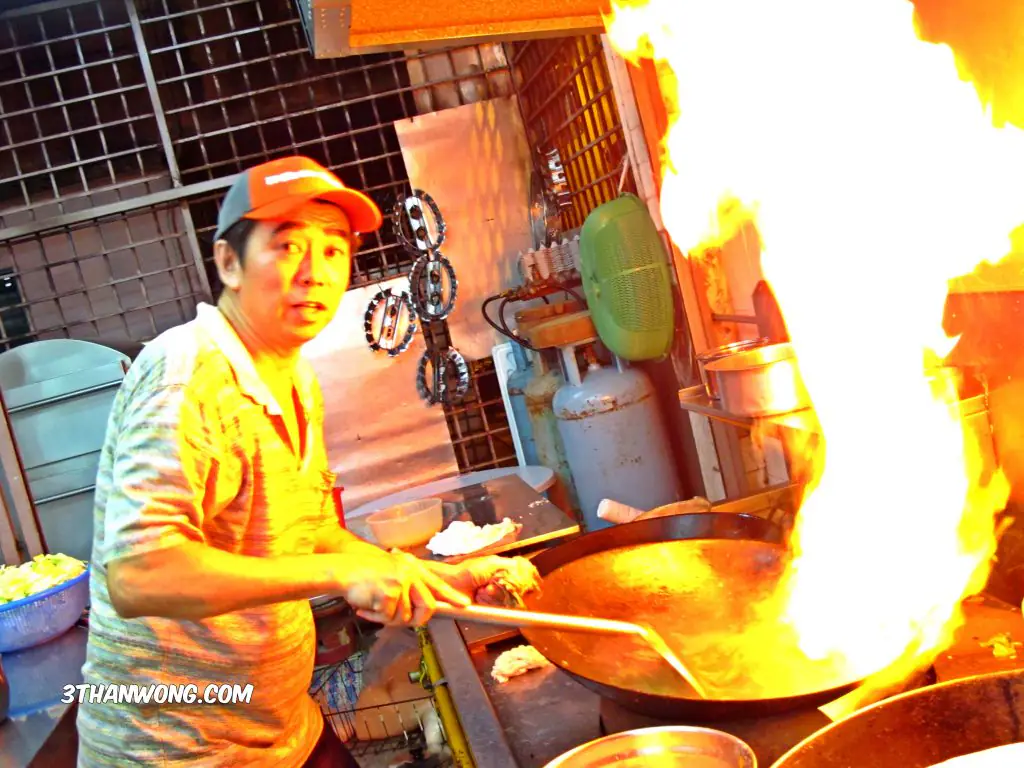
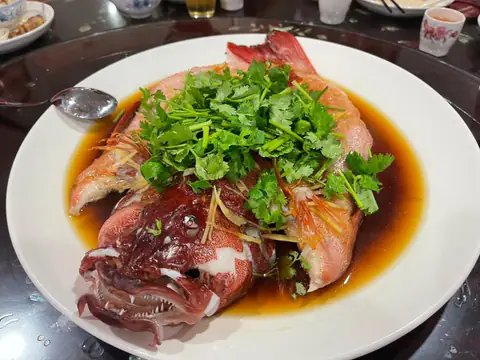
Here he added a few dishes to the menu: garlic stir-fried vegetables of the day, steamed chicken, and steamed freshwater fish.
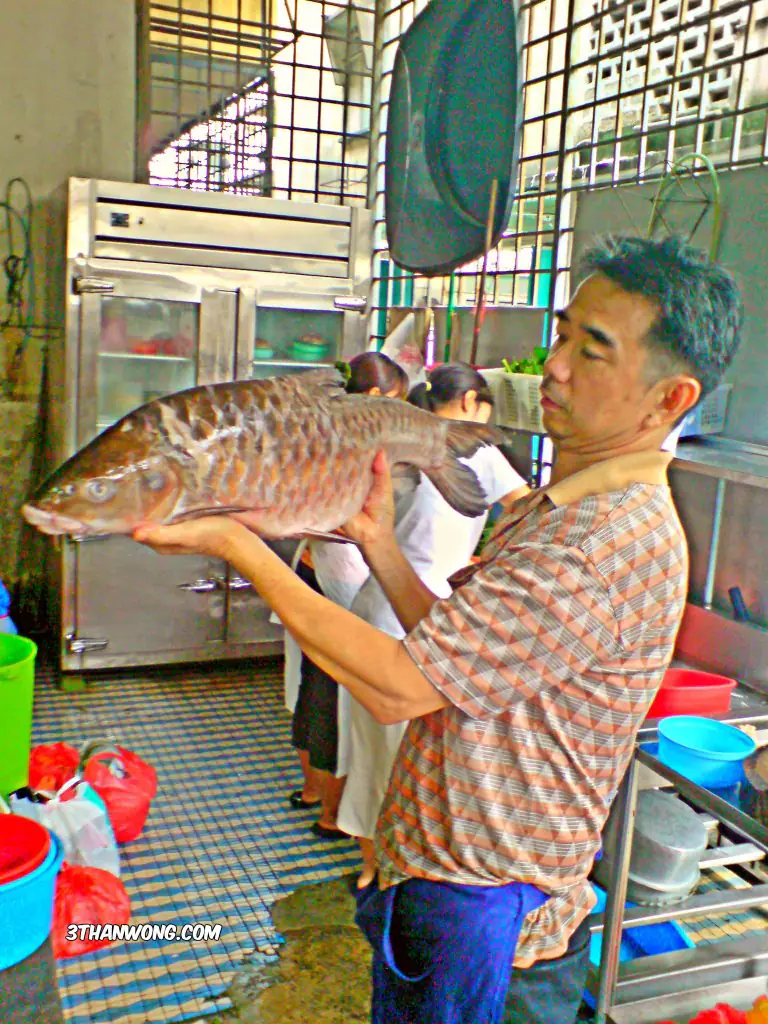
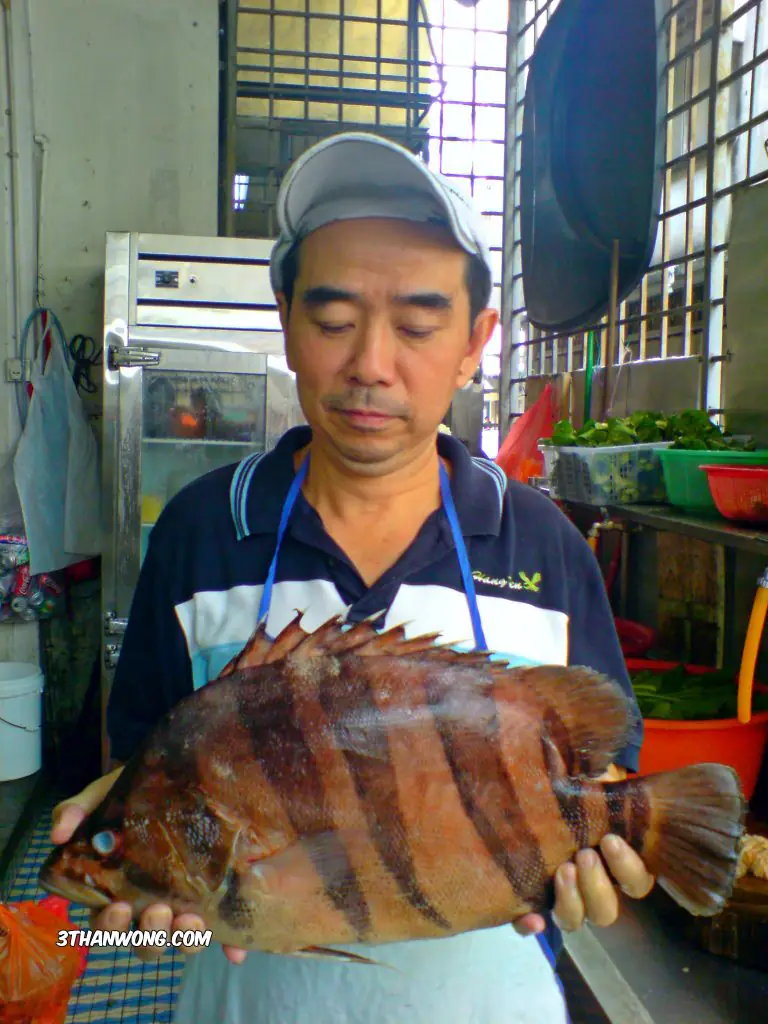
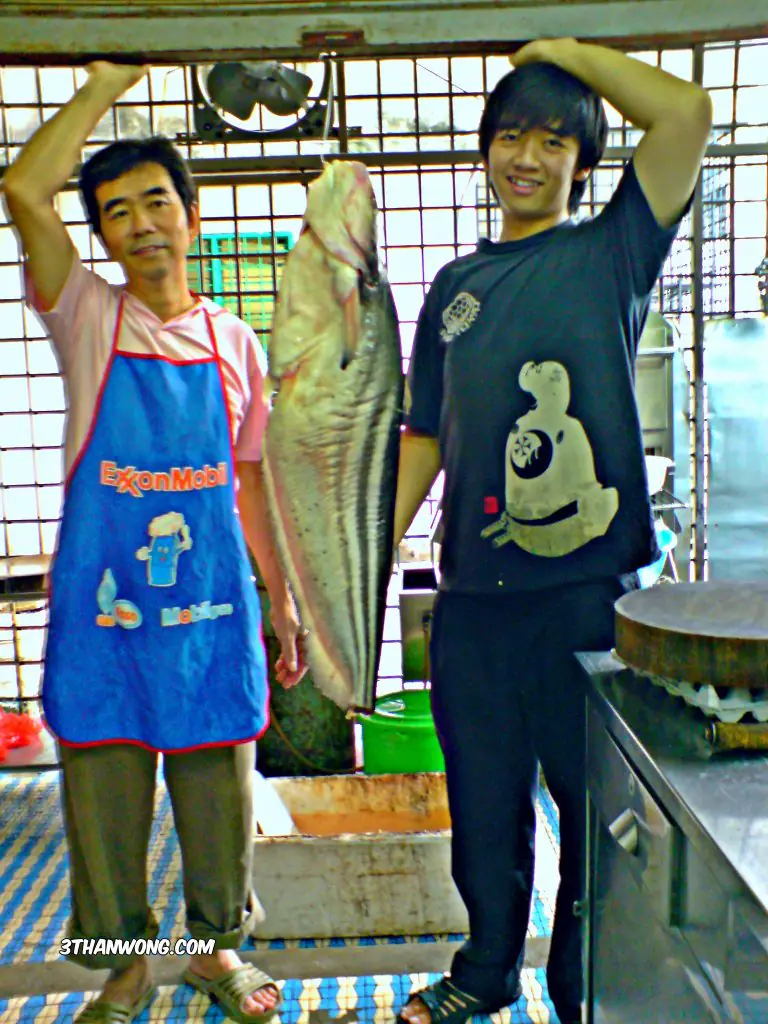
In January 2006 I enrolled in a Diploma in Culinary Arts (Académie de Toulouse, France) at Taylor's College. At the end of that year my mother was diagnosed with breast cancer, and I left my studies to help run the restaurant. Once I had the hang of the daily operations, my brother left in early 2007 to sharpen his skills in other Chinese restaurants.
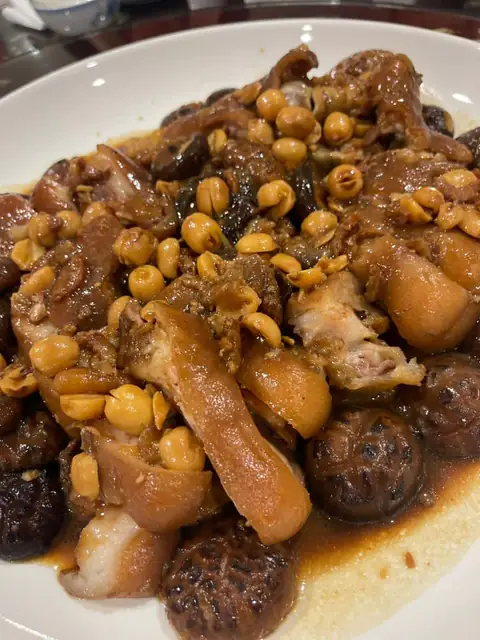
Chef Keong taught himself Chinese cooking techniques, mostly from TV cooking shows. With his years at the wok, he mastered them almost instantly. His special dishes never had names: he cooked whatever he came up with.
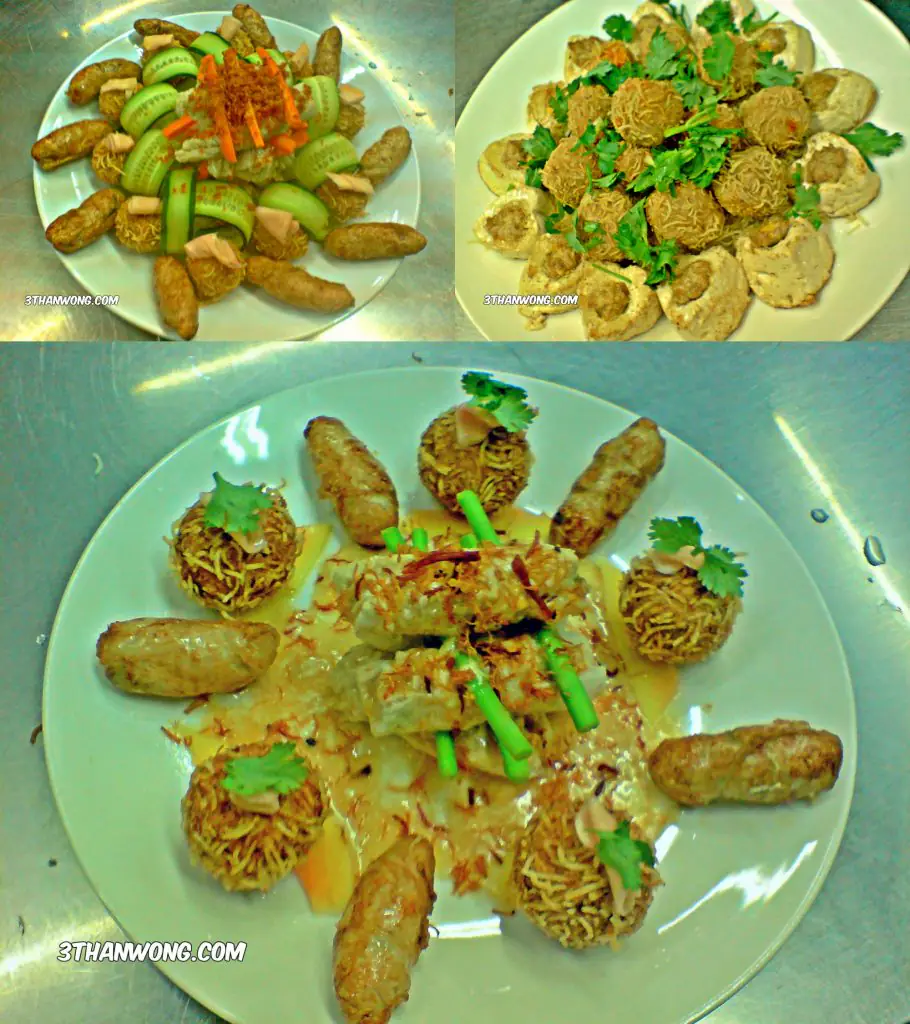
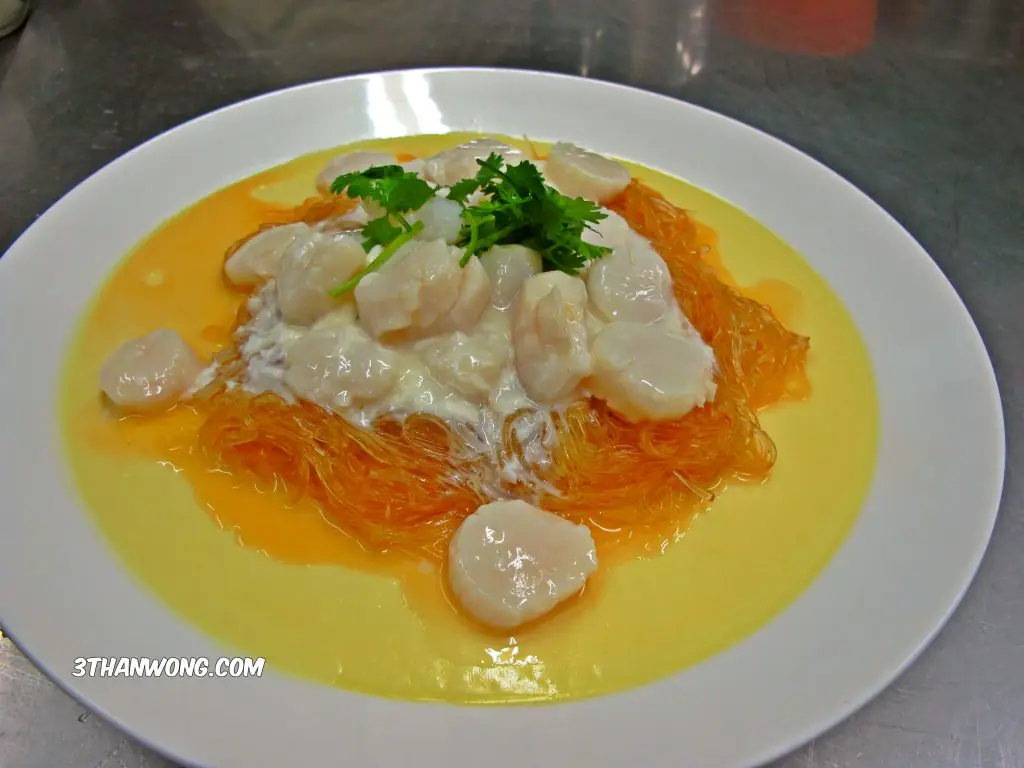
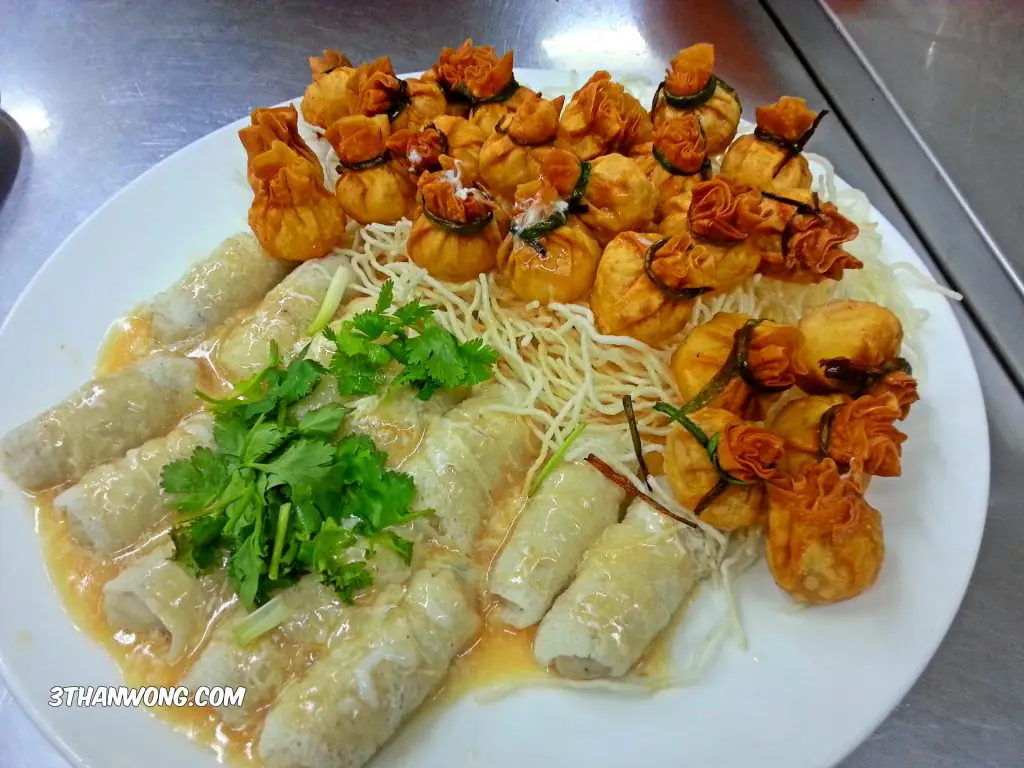
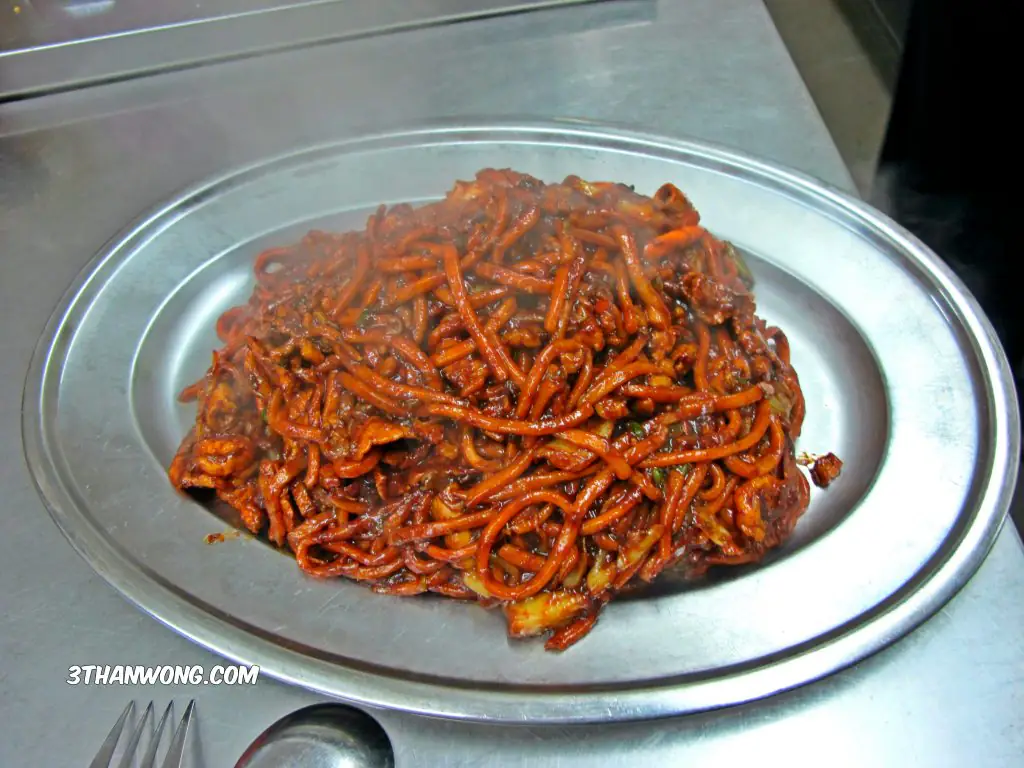
The Hokkien noodle started one evening, when a friend asked him to cook it. He had never served it to a customer before. His friend loved it, word spread, and the requests poured in. But his version is fried until almost dry to bring out its aroma, which makes the wok a pain to clean, so it was only ever available now and then. Many customers left disappointed.
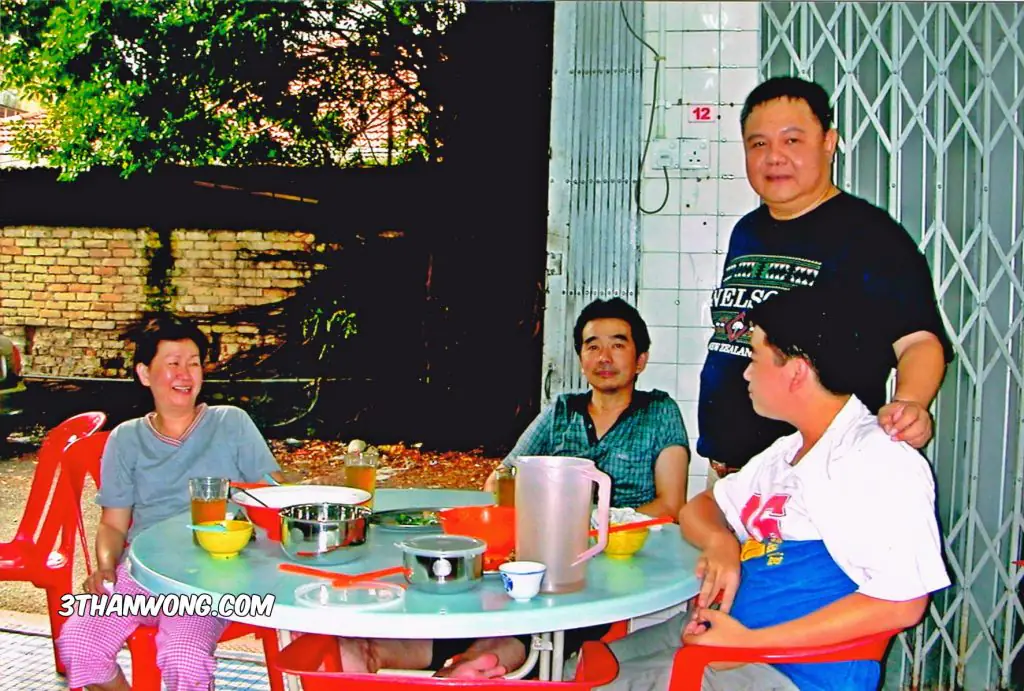
Another group of Singaporeans came in a convoy of six or seven supercars, Lamborghinis, Ferraris and Porsches, taking up every parking space in front of the shop. Around 11 am they would call my mother: "Hi, lady boss! We've just crossed the border into Johor Bahru. We'll be there around 2 pm."
Air-conditioning, and a name from my mother.
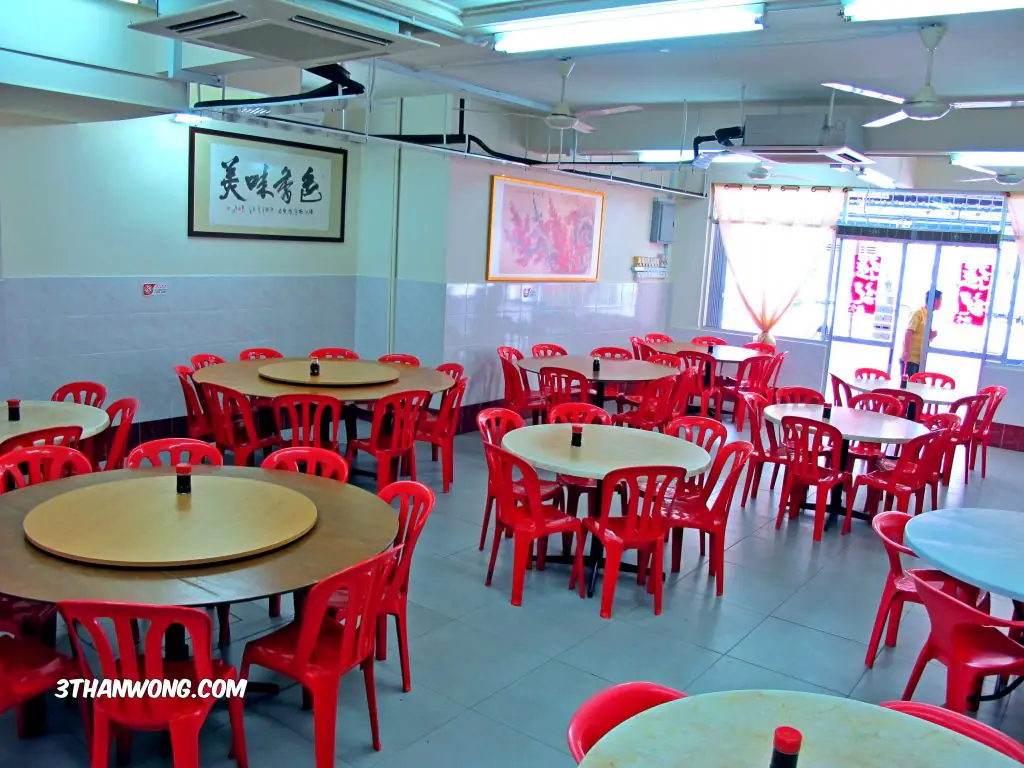
A few years later, the shop next door came up for sale and Chef Keong bought it: paying off a bank loan made more sense than paying rent. The renovation took about a year, and around 2010–2011 we moved in. Open kitchen and ceiling fans became a closed kitchen and air-conditioning, so the smoke from the wok stayed out of the dining room.
It was here that my mother gave the restaurant its name: 强记面食.
Sang har mee, and its spicy sister.
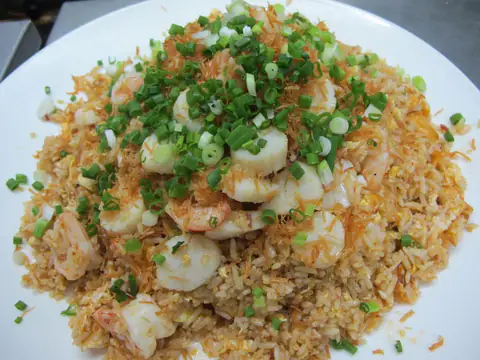
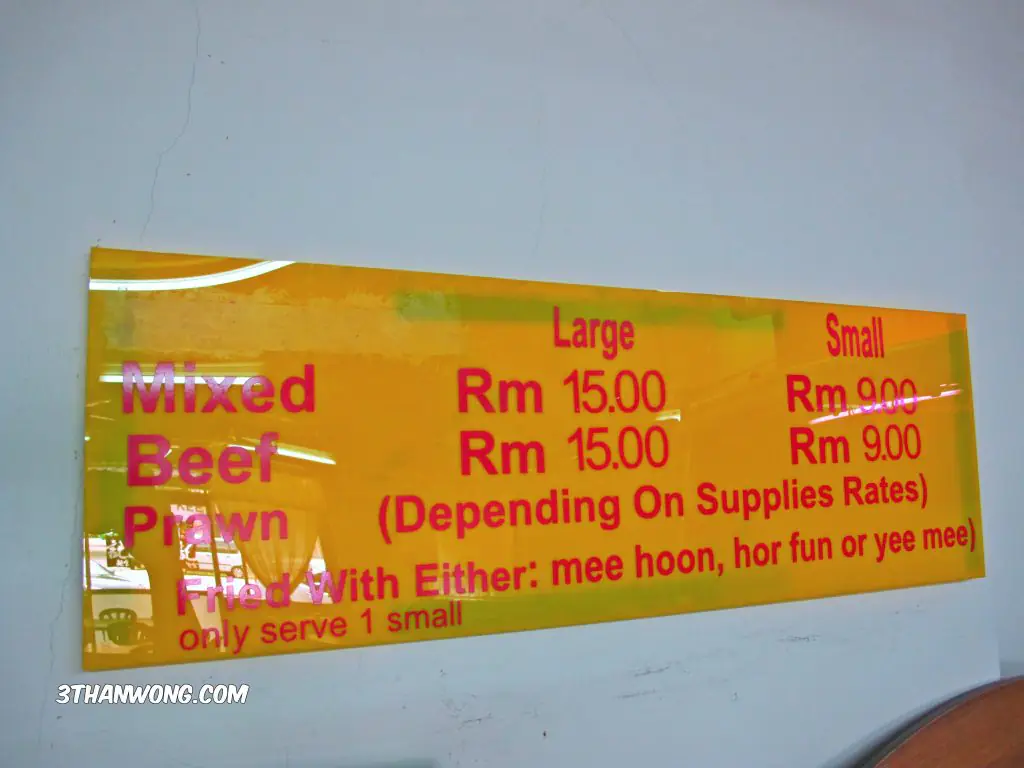
Keong Kee's all-time customer favourite was sang har mee (生虾面): freshwater prawn noodles under a thick, eggy Cantonese gravy. Sang har means "fresh prawn" in Cantonese, the big-headed river prawns whose roe makes the gravy rich.
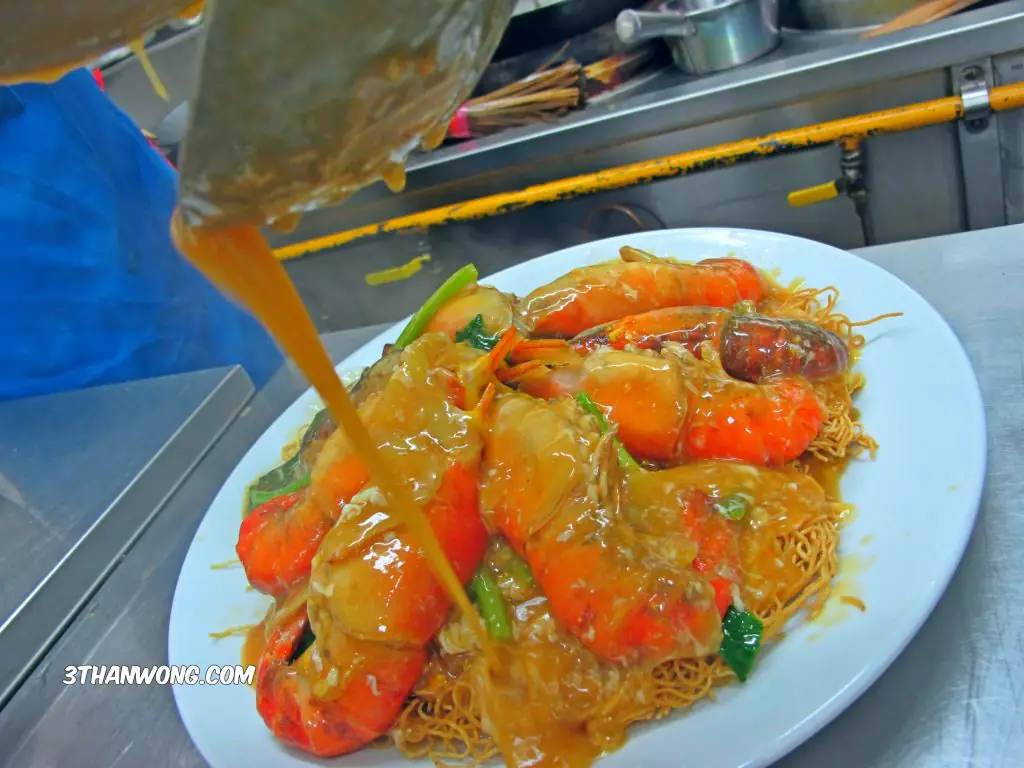
Sang har mee
Freshwater prawn noodles with thick Cantonese egg gravy. The dish people still write to me about.
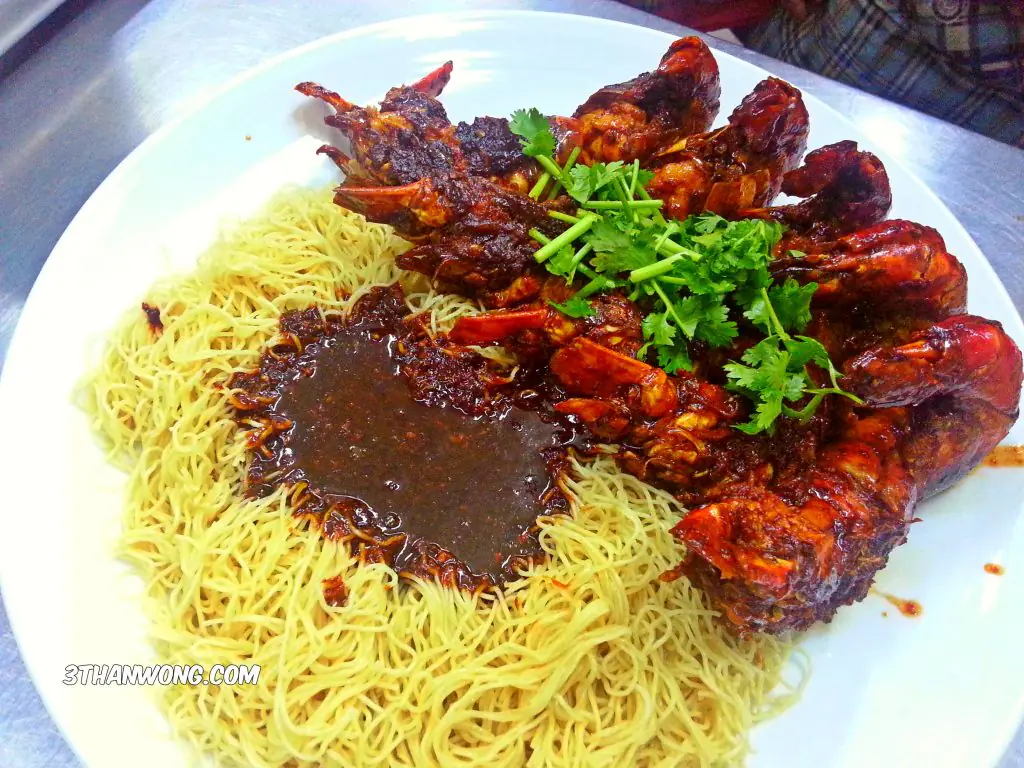
Harluk mee
The spicy version of the freshwater prawn noodle, and many regulars' secret order.
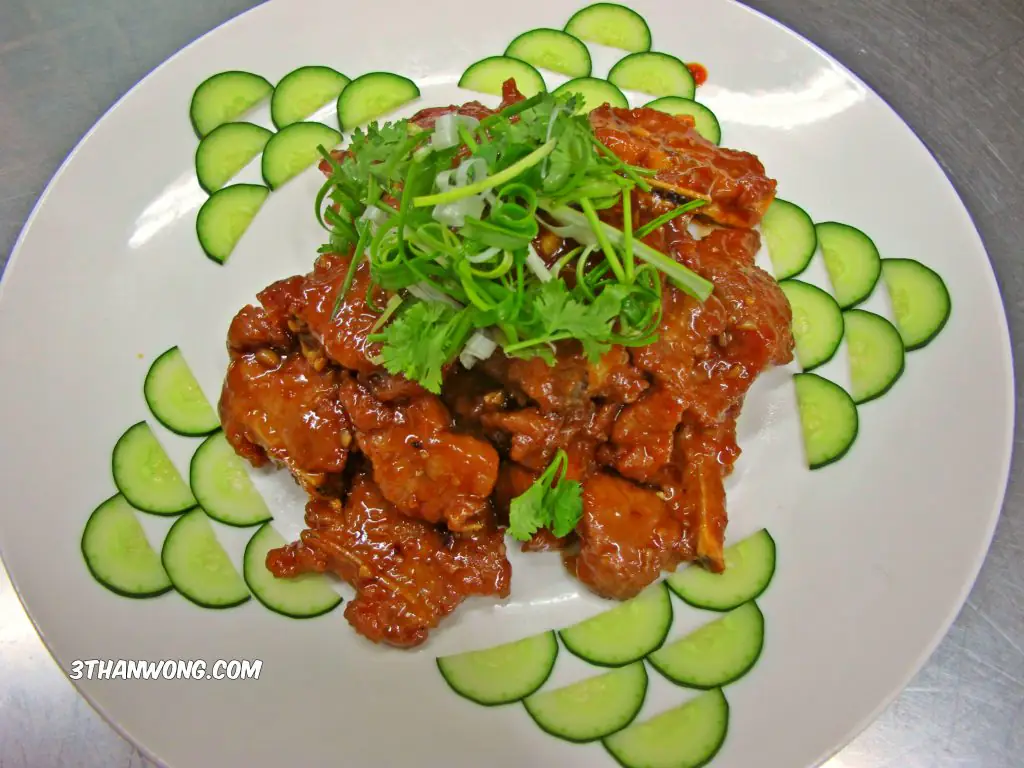
Here he kept improving, and regulars started booking special dishes ahead. Some had been coming since the 1980s and had watched us children grow up. Many customers became friends.
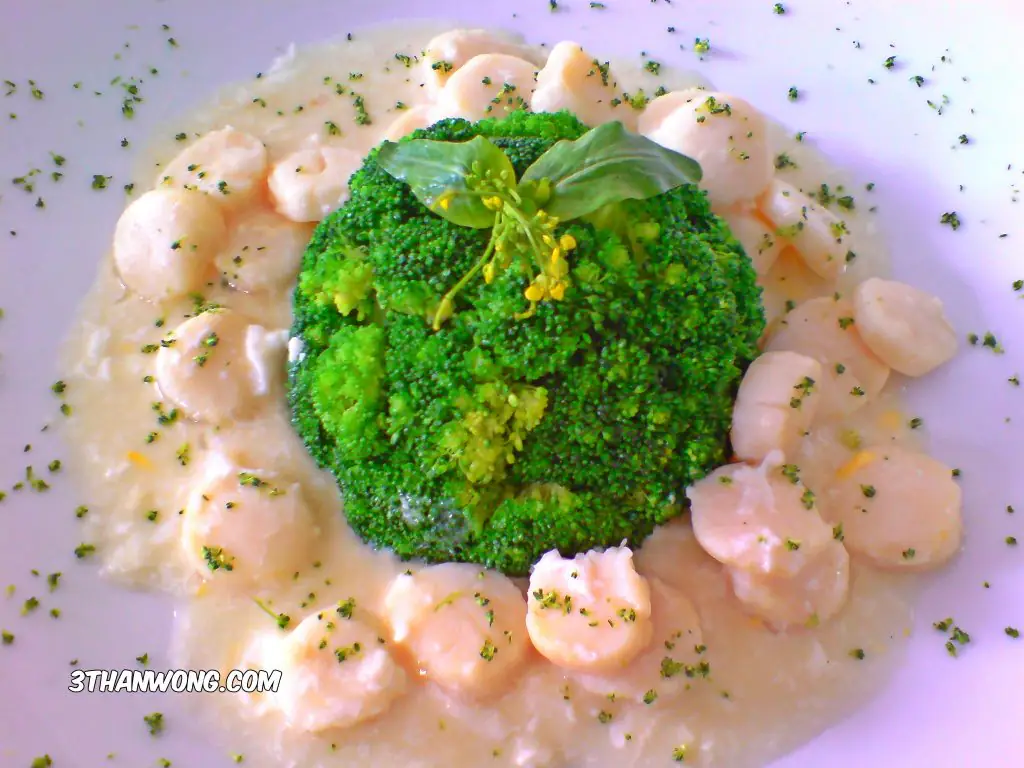
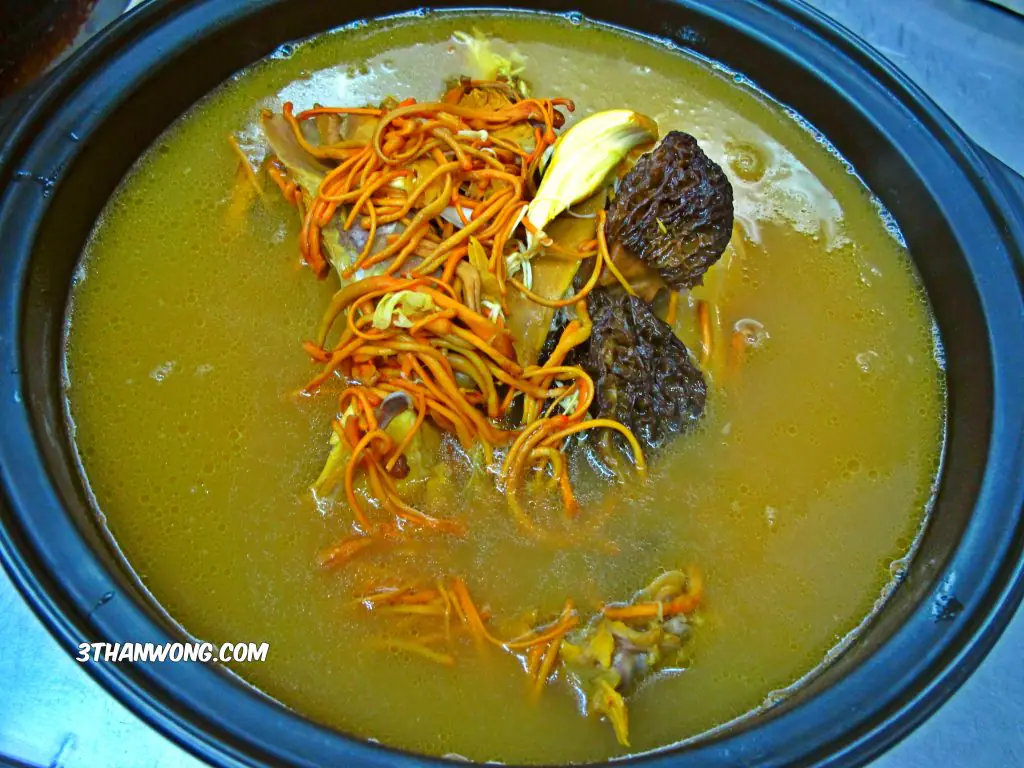
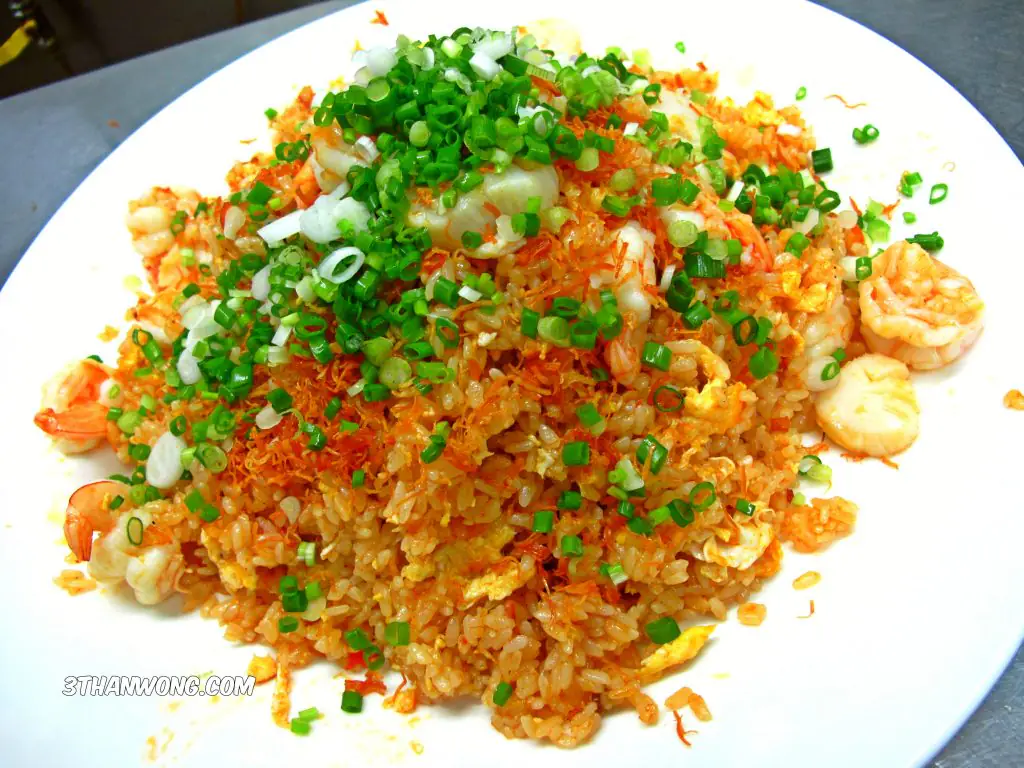
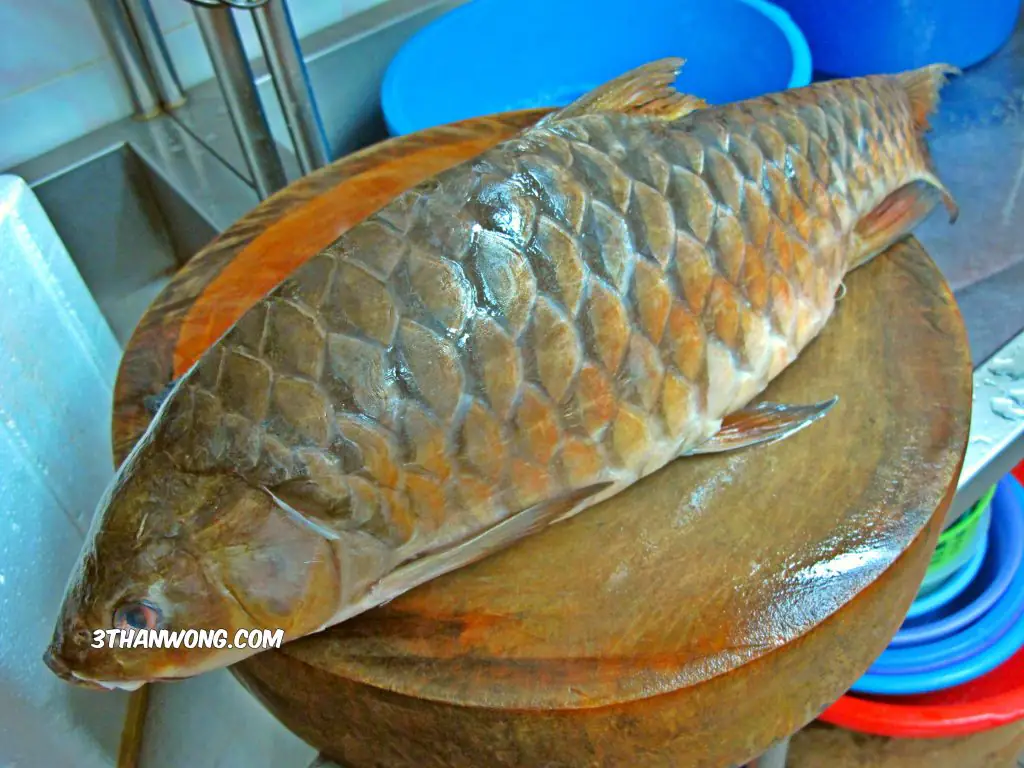
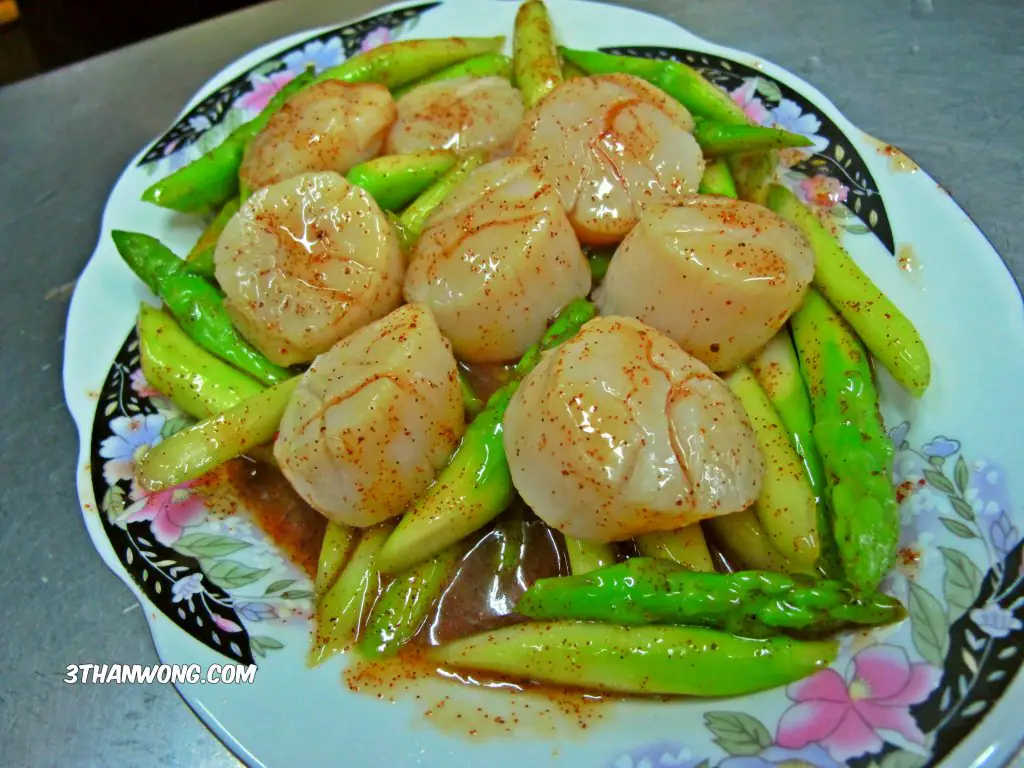
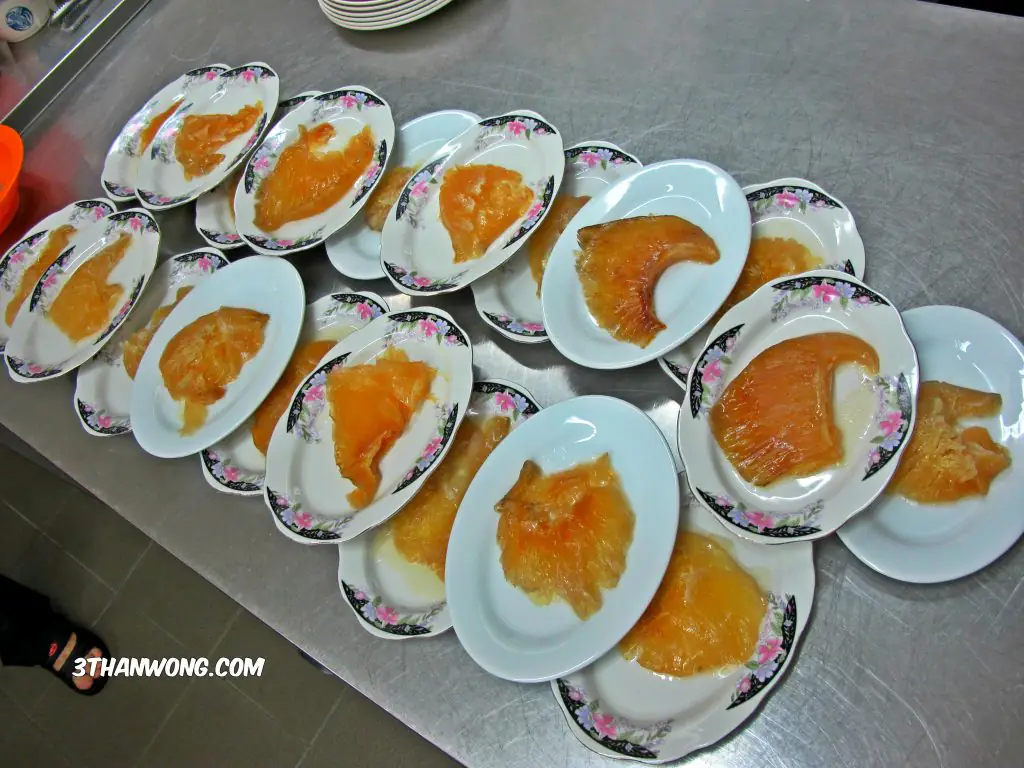
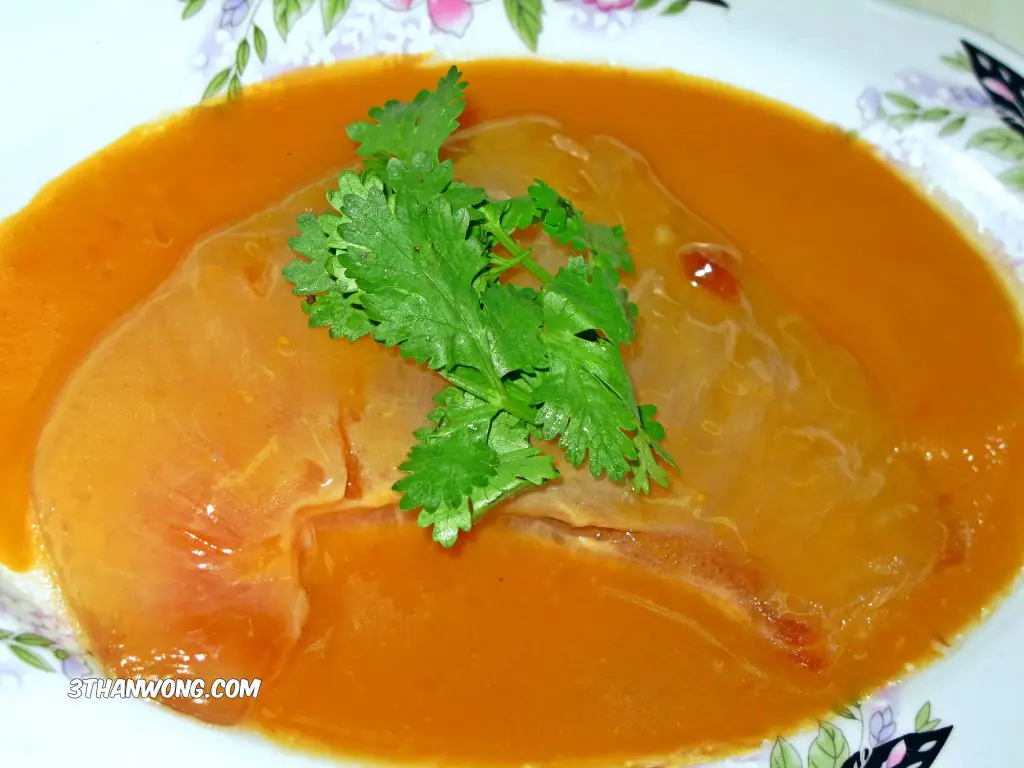
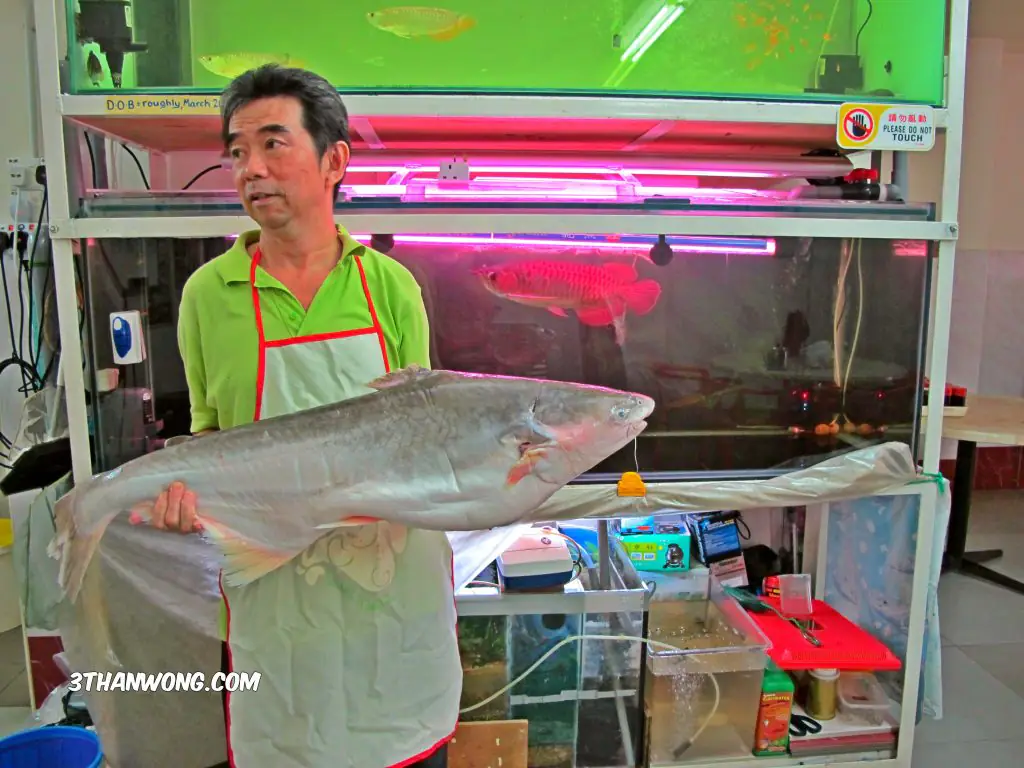
28 January 2014.
As my mother's condition worsened, Chef Keong decided to retire. The last day of business was 28 January 2014. My mother passed away on 29 September 2015, after battling cancer for a decade.
In retirement he looked after his grandchildren, and still woke in the small hours to drive through the morning traffic for coffee and breakfast with friends around Pudu. Customers kept calling to book a table, only to be disappointed. Friends who had once been customers kept asking him to cook again.
If I let it go, I let all of it go.Chef Keong